
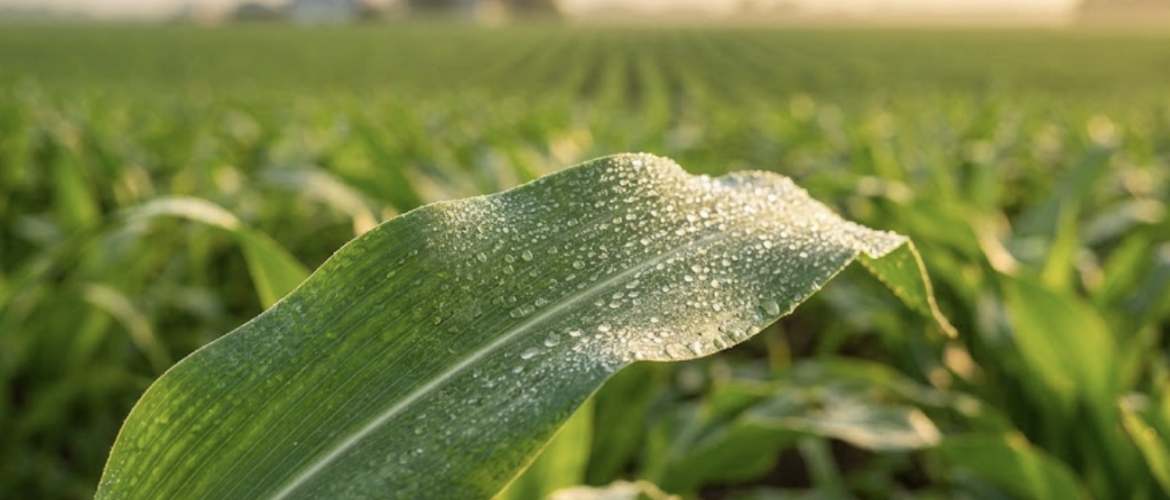
Seaweed Biostimulant Agriculture: Science, Benefits & Application Strategies Explained
Imagine standing in a wine-grape vineyard at 4:30 AM, watching the temperature on your dashboard drop to -2°C just as the delicate buds are breaking. Every grower knows that sinking feeling in their chest when a sudden environmental curveball threatens a million-dollar harvest. Yet, across the road, a block treated with targeted marine extracts survives with virtually zero vascular damage. This is not magic; rather, it is the practical power of seaweed biostimulant agriculture in action.
By tapping into the evolutionary survival mechanisms of ocean plants, modern growers are building incredible resilience directly into their crops. In this guide, we will strip away the marketing jargon to look at the hard science of marine macroalgae, explore how these biological plant stimulants protect yields under extreme stress, and outline how you can apply them to achieve elite field performance.
Understanding the Basics of Marine Macroalgae in Farming
To understand why ocean plants work so well on land, we must first change how we view plant nutrition. For generations, traditional farming relied on simple chemical replenishment to feed crops. However, if we only focus on synthetic fertilizers, we miss the complex hormonal signals that dictate how a plant actually grows and survives under pressure. This is where agricultural biostimulants step in to fill the gap.
Think of seaweed as the ultimate evolutionary survivalist. Marine macroalgae, specifically species like Ascophyllum nodosum, live in the intertidal zone. In this brutal environment, they are fully submerged in freezing seawater one hour, and then baked in dry, salty air the next. Consequently, to survive these extreme shifts twice a day, these plants developed a complex chemical toolkit of protective compounds.

When we apply these processed marine macroalgae products to terrestrial crops, we do not treat the seaweed as a direct fertilizer. Instead, we are using it as an evolutionary software upgrade. The complex sugars, amino acids, and natural trace minerals within the extract act as molecular signals. Once absorbed, they wake up the crop’s internal defense systems, helping plants thrive under environmental pressures that would normally stunt or kill them.
The Molecular Magic: How Seaweed Biostimulant Agriculture Actually Works
We are no longer guessing about what happens when seaweed hits a crop. Modern molecular science allows us to see exactly how seaweed biostimulant agriculture alters plant biochemistry. It is a highly coordinated physiological response that changes how plants handle resources.
To maximize your field performance, you must understand the three core biological pathways these marine extracts activate:
Endogenous Hormonal Regulation: Seaweed extracts do not just supply external hormones. Instead, they stimulate the plant to produce its own auxins, cytokinins, and gibberellins. This natural hormonal balance encourages rapid cell division, driving healthier shoot development and stronger crop canopy establishment.
Osmoprotectant Accumulation: When crops face heat or drought, their cells lose water rapidly, leading to cellular collapse. Fortunately, seaweed applications trigger the plant to accumulate natural osmoprotectating compounds like betaines and proline. These molecules keep the plant cells hydrated and functioning, even when soil moisture drops below critical levels.
Antioxidant Defense Boost: Under severe environmental stress, plants produce destructive molecules called Reactive Oxygen Species (ROS) that destroy cellular membranes. Marine extracts trigger a massive upsurge in protective enzymes, such as superoxide dismutase and catalase, which neutralize these toxins before they can cause permanent field damage.
The Cellular Shield: Cold Stress Mitigation in Plants Using Seaweed
When spring frosts hit, water freezes in the spaces between plant cells, physically tearing the vascular tissue apart. However, integrating cold stress mitigation in plants using seaweed acts like a natural biological antifreeze. The soluble sugars and sugar alcohols (like mannitol) within the extract lower the freezing point of the intracellular fluid. Consequently, this simple physical change prevents ice crystal formation, allowing valuable fruit and vegetable crops to survive brief freezing events with minimal tissue damage.
Real-World Results: Seaweed Biostimulant Agriculture in High-Value Crops
Biological crop management is delivering measurable economic results across global agricultural systems right now. For example, extensive field data compiled by the Food and Agriculture Organization (FAO) demonstrates that marine bioag inputs significantly improve fertilizer use efficiency while building long-term crop resilience.
| Crop Type & Trial Goal | Documented Field Result |
|---|---|
| Processing Tomatoes (Heat) | 22% increase in fruit set |
| Spring Wine Grapes (Frost) | 90% bud survival at -1.5°C |
| Almond Orchards (Salinity) | 18% reduction in leaf burn |

In the commercial potato regions of northern Europe, growers integrated specialized seaweed extract for crops to combat late-season water shortages. According to field trials published by the European Biostimulants Industry Council (EBIC), treated fields maintained highly active photosynthesis rates during a prolonged twenty-one day drought. This resilience occurred because the biostimulant kept the plant’s stomata functioning dynamically, preventing the typical crop shutdown that occurs under heat stress.
Additionally, a peer-reviewed study featured in ScienceDirect demonstrated that soy growers utilizing concentrated marine extracts achieved an average yield increase of 11.4% under high-salinity conditions. This yield stability was directly linked to enhanced root architecture, which allowed the crops to draw water from deeper, less saline soil profiles.
Q&A Deep Dive: Crucial Seaweed Biostimulant Agriculture Questions
A: Seaweed biostimulant agriculture is the strategic application of processed marine macroalgae extracts to trigger positive physiological, metabolic, and defense responses within a crop. Unlike traditional chemical fertilizers, which simply supply raw macronutrients like nitrogen (N), phosphorus (P), and potassium (K), these marine biostimulants function as biological signal molecules. They contain active bio-compounds—such as alginates, mannitol, and fucose—that communicate directly with the plant’s genetic pathways. Ultimately, this signaling action enhances nutrient uptake efficiency, stimulates root development, and builds robust defense mechanisms against severe environmental stresses.
A: Seaweed extract biostimulants for drought tolerance protect yields by stimulating the plant to synthesize its own osmoprotectants, such as proline and glycine betaine, which hold water inside the plant cells. Additionally, these extracts trigger the early production of abscisic acid (ABA), which regulates stomatal closure to prevent excessive water loss through transpiration. By managing water loss so precisely, the crop can maintain active photosynthesis and structural integrity even during extended periods without rain. Therefore, incorporating these biological tools helps growers secure stable yields under increasingly erratic weather patterns.
A: The benefits of kelp extracts on root systems stem from their high concentration of natural auxins and precursor molecules that stimulate lateral root development and root hair elongation. This structural expansion vastly increases the overall root surface area, allowing the young plant to access previously unreachable pools of water and bound soil nutrients. Furthermore, these extracts stimulate beneficial soil microbes around the root zone, creating a thriving rhizosphere that naturally protects the seedling from soil-borne diseases. Consequently, crops treated early in the season experience much less transplant shock and establish uniform stands quickly.
A: Understanding the role of plant growth regulators in seaweed is essential because the ratio of auxins, cytokinins, and gibberellins in a product determines its agronomic effect on the crop. For instance, an extract harvested in the cold winter months might have a very different hormonal profile than one harvested in late summer. Crop advisors must understand these nuances to match the right product formulation with the specific growth stage of the crop. Ultimately, this deep biological knowledge ensures that treatments trigger the desired crop response, whether that is increased root branching or improved fruit set.
A Six-Step Guide to Implementing Seaweed Biostimulants in Your Spray Program
If you want to transition your farming operation from reactive chemical treatments to a proactive biological model, you must have a clear plan. Here is the field-tested workflow to successfully integrate marine extracts into your existing spray program:
- Step 1: Soil & Sap Test. Perform a comprehensive soil and plant sap analysis. Before spraying, you must establish baseline nutrient levels to ensure your biological applications are supporting a well-balanced crop nutrition program.
- Step 2: Choose Species. Select a high-quality marine macroalgae species. Look for products derived from cold-water kelps like Ascophyllum nodosum, which naturally contain the highest concentration of stress-mitigating compounds.
- Step 3: Match Growth Stage. Match your application timing with key crop growth stages. Apply the biostimulant during critical physiological windows, such as transplanting, early root initiation, bud formation, or just before a forecasted stress event.
- Step 4: Check Tank Mix. Perform a jar test to verify tank-mix compatibility. Because seaweed extracts are highly alkaline, you must ensure they mix smoothly with your existing micronutrients or biological plant stimulants without falling out of solution.
- Step 5: Apply Early. Apply the seaweed extract under optimal environmental conditions. Spray early in the morning or late in the evening when humidity is high, as this allows the crop’s leaves to absorb the biostimulant thoroughly.
- Step 6: Refine Program. Monitor your fields and adjust your fertilizer program over time. As your crop’s nutrient use efficiency improves, gradually optimize your synthetic inputs to lower your operating costs while maintaining high yields.

The Agronomist’s Secret: Improving Crop Quality with Marine Extracts
To truly unlock the power of marine biology, you must look beyond simple yield volume. Specifically, using seaweed extracts during early fruit development triggers a significant increase in Brix levels (sugar content) and enhances skin thickness. This physiological improvement directly reduces harvest cracking, extends shelf life, and boosts market value. For those who want to master these biological systems, the advanced coursework offered by BAW Academy provides the deep, practical training needed to design high-performance programs for commercial farms, particularly the Seaweed in Agriculture 101: Unlocking Fertilizer, Biostimulant & Stress Mitigation Potential curriculum.
Crucial Resources for Evaluating Marine Bioag Products
The biostimulant market is growing rapidly, making it critical for crop professionals to rely on verified, independent sources of information. Use these trusted platforms to evaluate products, verify registrations, and study agronomic trials:
- CABI BioProtection Portal: A globally recognized, free-to-use search tool that helps agronomists discover registered biological products and biostimulants in their specific regions. Visit the CABI BioProtection Portal to find local solutions.
- The European Biostimulants Industry Council (EBIC): This organization provides essential updates on regulatory frameworks, safety guidelines, and scientific breakthroughs in marine biostimulant technology. Learn more at EBIC.
- ScienceDirect Agronomy Database: A premier academic search engine where crop advisors can access thousands of peer-reviewed journal articles on seaweed extracts and soil health. Access the research at ScienceDirect.
- FAO Soil and Crop Portal: Managed by the Food and Agriculture Organization, this portal offers comprehensive datasets, educational manuals, and sustainable crop management guidelines. Explore their resources at FAO.
Debunking Common Seaweed Biostimulant Myths
Myth 1: “Seaweed extract is just an expensive fertilizer with low NPK values.”
Correction: This is a fundamental misunderstanding of biological science. Marine extracts are not meant to supply primary macronutrients. Instead, they function as metabolic triggers that improve how the plant uses the nutrients already present in the soil.
Myth 2: “All seaweed products are the same, regardless of how they are processed.”
Correction: The extraction method makes a massive difference in product quality. High-heat or harsh chemical extraction can easily destroy delicate plant growth regulators and beneficial sugars. To get the best results, look for products that utilize cold, chemical-free extraction processes.
Myth 3: “You can use seaweed to completely replace your synthetic fertilizer program.”
Correction: This dangerous misconception will lead to rapid nutrient depletion. Seaweed extracts work best when integrated alongside traditional inputs, allowing you to gradually optimize synthetic fertilizer rates as soil health and nutrient efficiency improve.
FAQ: Crucial Questions Answered
How do I apply seaweed biostimulant in agriculture to get the best results?
To get the best results, apply marine extracts as a foliar spray or through a fertigation system during critical crop growth windows, such as root initiation or early flowering. Additionally, ensure you apply the product during the cool parts of the day to maximize absorption and prevent evaporation.
What is the specific role of plant growth regulators in seaweed extracts?
The role of these natural regulators is to trigger specific cell division and elongation signals within the plant. Auxins drive downward root branching, while cytokinins promote lateral shoot growth and delay leaf aging. Consequently, this balanced hormonal stimulation helps the crop grow evenly and resist environmental stress.
How can growers alleviate abiotic stress with seaweed during a heatwave?
Growers can mitigate heat stress by applying seaweed extracts forty-eight hours before a heatwave, which triggers the plant to close its stomata and conserve moisture. This proactive treatment also stimulates the production of heat-shock proteins that protect delicate plant cells from thermal damage.
What are the main benefits of using marine macroalgae products in sustainable crop management?
Using marine extracts improves overall soil health, enhances nutrient uptake efficiency, and drastically reduces the need for synthetic chemical inputs. Over time, this biological approach helps growers rebuild soil structure, lower environmental runoff, and secure the long-term profitability of their land.
Conclusion
Ultimately, success in modern farming is no longer just about applying more synthetic chemicals to the soil; rather, it is about unlocking the natural survival mechanisms of plants. By integrating seaweed biostimulant agriculture into your seasonal agronomic program, you actively transition from simply feeding a crop to building a highly resilient, stress-resistant farming system. This simple shift not only protects your yields against increasingly extreme weather but also helps secure the long-term profitability of your business.
If you are ready to transition from understanding the theory of biologicals to confidently designing elite nutrition programs in the field, BAW Academy’s Seaweed in Agriculture 101: Unlocking Fertilizer, Biostimulant & Stress Mitigation Potential course was built exactly for you. Take the next step in your professional agronomy journey and learn to master the powerful world of marine bioag science today.
Master Marine Extracts for Elite Yields
Advance past introductory theory to confidently deploy and manage high-yield seaweed extracts directly in commercial agricultural operations.
Enroll in the Seaweed 101 Track